
Fuel Your Brain with Nature's Vision Foods
Discover how simple, whole foods can dramatically sharpen your focus, enhance visual clarity, and support your cognitive performance. Our editorial platform brings you evidence-based insights into the nutrition that powers clearer vision and sharper minds.
The information on this site is for educational purposes only and does not constitute medical advice. Always consult a qualified healthcare professional before making health decisions.
Visual Feast of Superfoods for Eye Health
Explore a curated collection of nutrient-dense foods that support visual acuity and mental clarity.
Leafy Greens
Dark leafy greens like spinach and kale contain lutein and zeaxanthin, powerful antioxidants that protect the macula and improve contrast sensitivity for sharper vision.
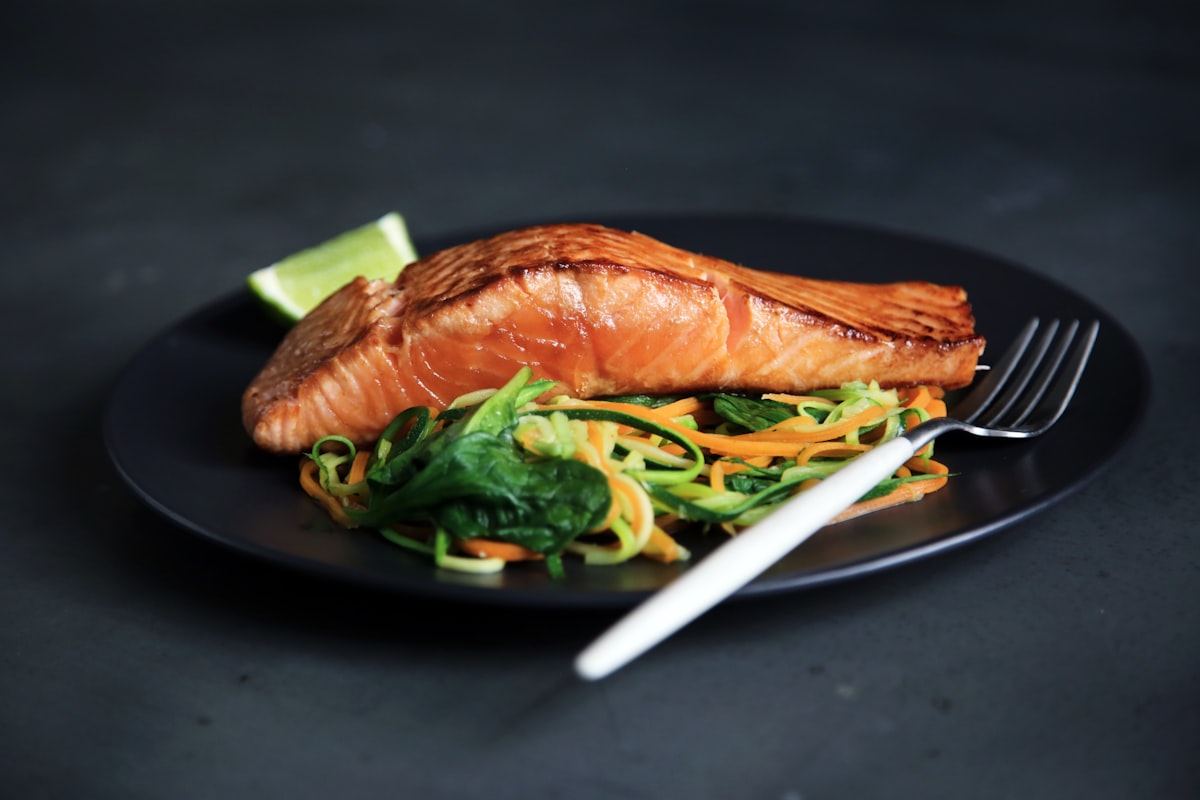
Fatty Fish
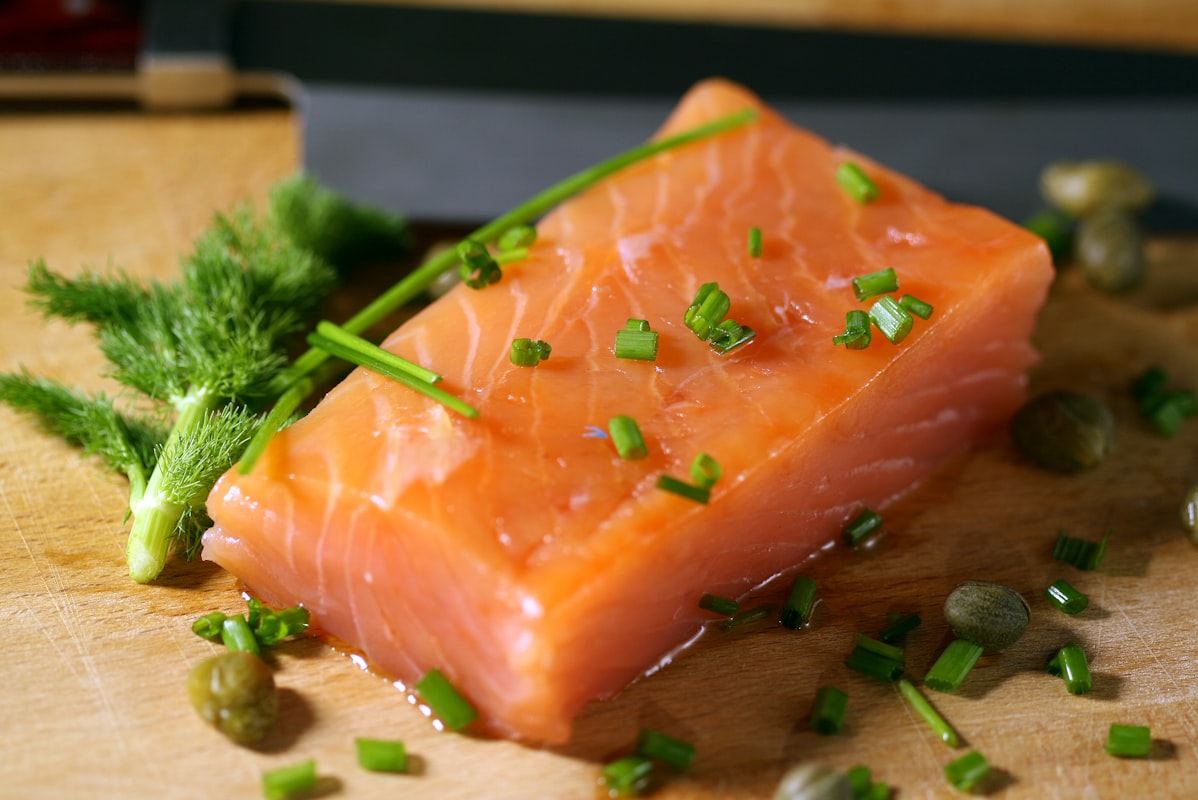
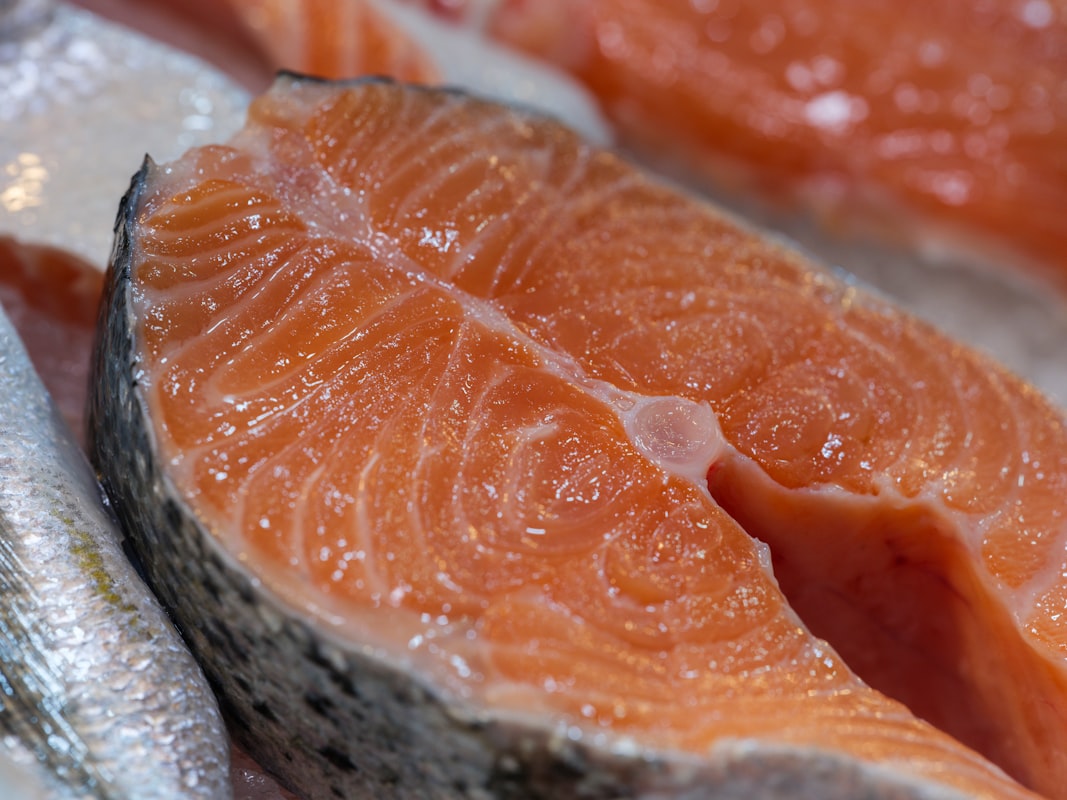
Salmon and sardines deliver omega-3 fatty acids that enhance neural connectivity, support retinal health, and improve cognitive processing speed for better focus.
Berries
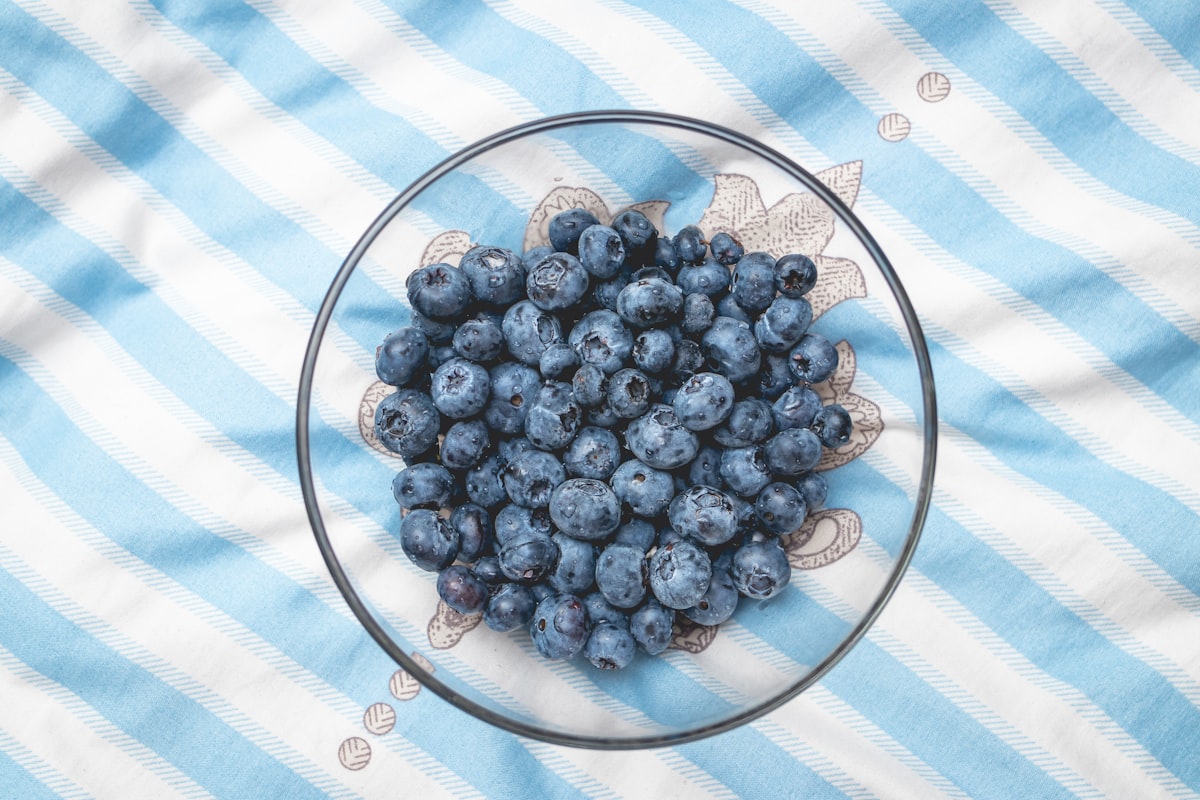
Blueberries, bilberries, and blackberries are rich in anthocyanins that combat oxidative stress, improve blood flow to the eyes, and enhance mental clarity.
Nuts & Seeds
Almonds, walnuts, and sunflower seeds provide vitamin E and zinc that protect eye tissue from age-related degeneration and support sustained attention.
Colorful Vegetables
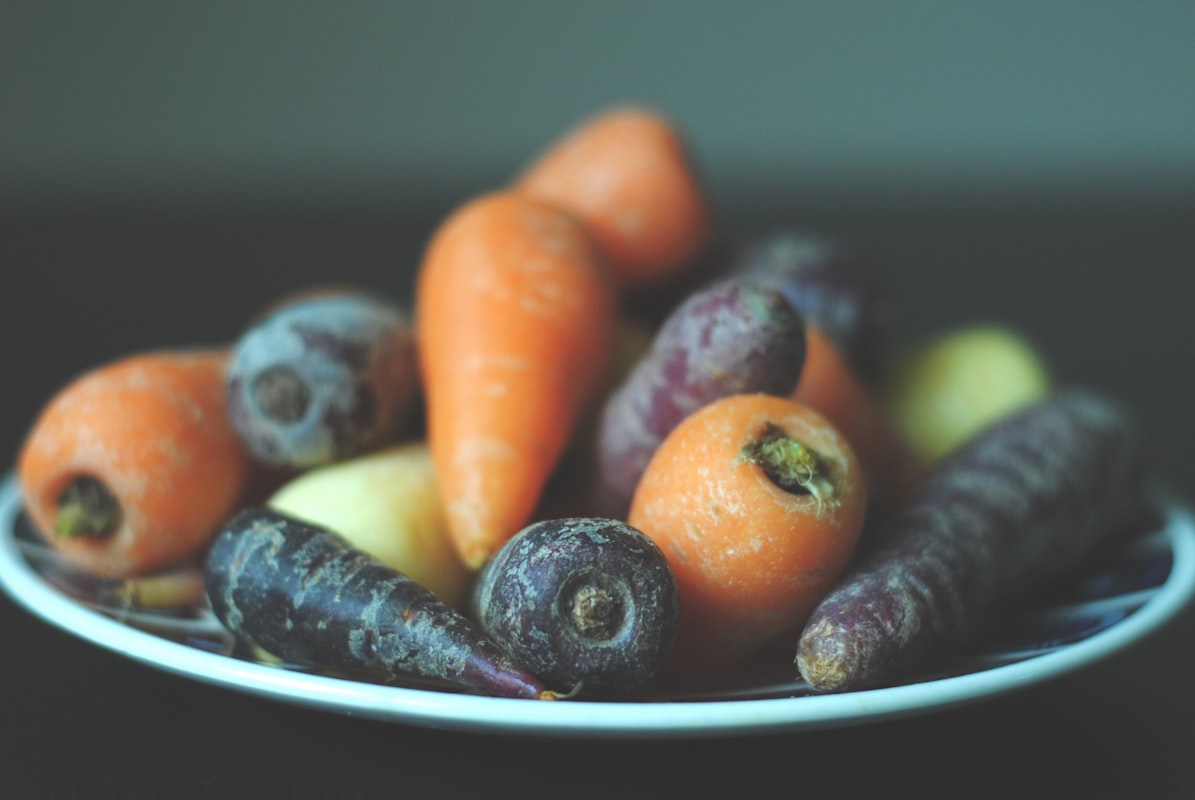
Carrots, sweet potatoes, and bell peppers are loaded with beta-carotene that converts to vitamin A for improved night vision and neural function.
Eggs
Whole eggs contain choline for memory and lutein for eye protection. They're complete proteins that support sustained energy and mental focus throughout the day.
Why These Foods Sharpen Your Focus
Enhanced Visual Clarity
Nutrients like lutein, zeaxanthin, and vitamin A directly protect your retina and macula, the areas responsible for sharp, detailed vision and color perception. Regular consumption improves contrast sensitivity and reduces glare sensitivity, making reading and screen time more comfortable.
Improved Cognitive Function
Omega-3 fatty acids and B vitamins build and maintain myelin sheaths around nerve cells, speeding neural communication. This translates to faster thinking, better memory retention, and stronger concentration during complex tasks.
Antioxidant Protection
Polyphenols, anthocyanins, and vitamins C and E neutralize free radicals that damage eye and brain cells. This cellular protection slows age-related cognitive decline and helps maintain visual acuity as you grow older.
Optimal Blood Flow
Foods rich in nitrates and polyphenols improve vascular function, ensuring oxygen and nutrient delivery to your eyes and brain. Better circulation means sustained energy, sharper focus, and more vibrant vision throughout the day.
The Science Behind It: Your eyes and brain share common nutritional needs. The retina contains more omega-3 fatty acids than any other tissue in your body. Your brain uses 20% of your daily energy intake despite being only 2% of body weight. By nourishing both organs with vision-supporting foods, you create a synergistic effect: sharper eyesight and laser-focused mental clarity.
Top 9 Foods for Clearer Vision and Mental Clarity
Spinach
High in lutein and zeaxanthin, spinach directly protects the macula. Consume raw in salads or lightly cooked to preserve heat-sensitive nutrients while maximizing absorption.
Key nutrients: Lutein, zeaxanthin, vitamins K and C
Wild Salmon
Packed with EPA and DHA omega-3s that support retinal and neural health. Aim for wild-caught varieties which contain higher omega-3 levels than farm-raised alternatives.
Key nutrients: Omega-3 DHA/EPA, vitamin D, astaxanthin
Blueberries
Rich in anthocyanins that enhance night vision and reduce eye strain. Fresh or frozen blueberries maintain their antioxidant power, making them convenient year-round.
Key nutrients: Anthocyanins, vitamin C, resveratrol
Carrots
Classic eye food loaded with beta-carotene, a precursor to vitamin A essential for low-light vision. Pair with healthy fats for optimal absorption of this fat-soluble nutrient.
Key nutrients: Beta-carotene, potassium, fiber
Eggs
The yolk contains lutein, zeaxanthin, and choline for brain function and eye protection. Choose pasture-raised eggs for superior nutrient profiles compared to conventional varieties.
Key nutrients: Choline, lutein, zeaxanthin, zinc
Almonds
Excellent source of vitamin E, a powerful antioxidant protecting eye tissue. A small handful daily provides significant amounts of this fat-soluble vitamin without excessive calories.
Key nutrients: Vitamin E, magnesium, zinc
Bell Peppers
Vibrant peppers contain zeaxanthin and high vitamin C content. The colorful varieties (red, yellow, orange) offer different beneficial phytochemicals that work synergistically for vision protection.
Key nutrients: Vitamin C, zeaxanthin, beta-carotene
Bilberries
European cousin of blueberries with even higher anthocyanin content. Traditional use in vision support spans centuries, with modern research confirming benefits for glare reduction and contrast sensitivity.
Key nutrients: Anthocyanins, antioxidants, vitamin C
Kale
Superfood containing more lutein per serving than any other food. Massage with oil before consuming to increase bioavailability of these fat-soluble protective compounds.
Key nutrients: Lutein, zeaxanthin, vitamins A, C, K
How to Integrate Vision Foods into Your Daily Routine
Start with Breakfast
Begin your day with a vision-boosting breakfast: scrambled eggs with spinach, topped with blueberries. This combines choline, lutein, zeaxanthin, and anthocyanins in one meal. Pair with a glass of fresh carrot juice for beta-carotene. This sets a powerful nutritional foundation for focus throughout your day.
Snack Smart
Replace processed snacks with whole foods: a handful of almonds, a small bowl of blueberries, or raw bell pepper strips with hummus. These convenient options provide sustained energy without blood sugar spikes. Keep pre-portioned nuts and dried berries at your desk or in your bag for on-the-go nutrition that supports eye health.
Plan Your Lunch
Make lunch your main vision-food meal. Combine wild salmon with roasted vegetables including kale and sweet potatoes. Add a side salad with spinach, carrots, and bell peppers dressed in olive oil to maximize fat-soluble nutrient absorption. This substantial meal provides omega-3s, lutein, and comprehensive antioxidant protection.
Dinner Integration
Dinner doesn't need to be complicated. Grill another portion of fish, sauté a colorful mix of vegetables (carrots, peppers, kale), and add fresh herbs. Keep portions moderate to avoid eye strain from heavy digestion. End with a small serving of berries for dessert—delicious and nutritious for sustained eye and brain support through the evening.
Quick Tips for Maximum Impact
- Pair with Healthy Fats: Consume lutein and beta-carotene with olive oil, avocado, or nuts to increase bioavailability. These nutrients are fat-soluble and absorb better with dietary lipids.
- Variety is Key: Rotate through different colored vegetables and fruits. Each color represents different phytonutrients—reds, oranges, yellows, greens, blues, and purples all offer unique benefits.
- Consistency Matters: Nutritional benefits build over time. Aim for daily consumption of vision foods rather than sporadic large amounts. Regular, moderate intake is more effective than occasional binges.
- Minimize Processing: Fresh, whole foods retain maximum nutrients. When buying frozen or canned, choose products without added sugars or sodium. Flash-frozen berries and vegetables are excellent alternatives to fresh.
Real Stories from People Who Improved Their Vision
After starting to incorporate these vision foods into my diet, my eye strain from computer work decreased noticeably within weeks. I added spinach salads for lunch and blueberries to my morning yogurt. The headaches I used to get by 3pm have almost disappeared. My eyes feel more comfortable during long work sessions, and my colleagues even commented that I seem more focused in meetings.
Marcus Chen
Jakarta, Indonesia
I was skeptical at first, but the research about lutein and zeaxanthin made sense to me. I started eating more kale, peppers, and especially wild salmon twice a week. Three months later, during my eye exam, my optometrist asked what I was doing differently because my vision had improved. I'm now 62 years old and have better vision than I did five years ago. This approach genuinely works.
Siti Nurhaliza
Surabaya, Indonesia
As a graphic designer, sharp vision is essential to my work. The focus I gained from adding eggs, almonds, and bilberries to my routine has been incredible. Not only can I see colors more vibrantly, but my concentration during detailed design work has improved significantly. I can work longer without fatigue. This is practical nutrition that actually delivers results.
Rudi Hermawan
Bandung, Indonesia
Common Questions About Vision Nutrition
How long before I notice improvements in my vision and focus?
Most people report subtle improvements within 2-4 weeks of consistent consumption, such as reduced eye strain or improved concentration. More significant changes in visual clarity typically emerge after 8-12 weeks as your body builds up antioxidant reserves. Vision and cognitive function improvements are cumulative—the longer you maintain these dietary practices, the more pronounced and stable the benefits become.
Can I get all these nutrients from supplements instead of whole foods?
While supplements can support your nutrition, whole foods offer superior benefits. Foods contain thousands of phytonutrients, synergistic compounds that work together more effectively than isolated nutrients. Your body absorbs nutrients better from whole foods due to the presence of co-factors and fiber. Think of supplements as supporting players, not replacements for a vision-food-rich diet.
Are there foods I should avoid if I want sharper vision and focus?
Ultra-processed foods, refined sugars, and excessive fried foods create oxidative stress that damages both eye and brain tissue. Trans fats are particularly harmful to retinal health. Excessive alcohol and high-sodium processed foods impair blood circulation to your eyes. You don't need to eliminate these completely, but prioritizing whole vision foods will naturally crowd out less beneficial options while improving your results.
Should I eat these foods raw or cooked?
It depends on the nutrient. Raw spinach and salad greens preserve vitamin C but cooking increases lycopene absorption and makes some minerals more bioavailable. Best approach: eat vision foods in multiple forms. Raw blueberries, lightly steamed carrots, roasted peppers, and cooked kale throughout the week maximize different nutrient profiles. Variety in preparation methods ensures you capture the full spectrum of vision-supporting compounds.
Can these foods help with specific eye conditions?
Foods rich in lutein and zeaxanthin are particularly studied for age-related eye health. Omega-3 rich foods support dry eye comfort and retinal function. Antioxidant-rich berries help with light sensitivity. However, dietary changes support overall eye function—they're preventive and supportive in nature. If you have specific eye concerns, consult with an optometrist or ophthalmologist who can provide individualized guidance.
How much of these foods do I need to eat daily?
A serving of leafy greens daily, two to three servings of colorful vegetables, two handfuls of nuts weekly, and fish 2-3 times per week provides substantial vision support. Berries as a snack or with breakfast several times weekly adds powerful antioxidants. You don't need massive quantities—consistency matters more than volume. Even modest amounts of vision foods eaten regularly outperform occasional large doses.
Subscribe to Our Vision & Focus Insights
Get our latest articles about foods that sharpen vision, enhance focus, and support cognitive clarity. Join our community of people committed to nourishing their bodies and minds with whole, nutrient-dense foods.
We respect your privacy. Unsubscribe anytime. No spam, only curated nutrition content.
Why Naturbalancesw for Vision and Focus Education
Evidence-Based Content
Our articles are grounded in nutritional science and peer-reviewed research. We translate complex studies into practical, actionable information about foods that genuinely support eye health and cognitive function.
Community Perspective
We share real experiences from readers who've integrated vision-supporting foods into their routines. Learn from authentic testimonials and practical insights from people like you pursuing sharper vision and better focus.
Comprehensive Guides
From detailed nutrient profiles to practical meal planning strategies, our content covers every aspect of vision-supporting nutrition. We help you understand not just what to eat, but why and how to maximize benefits.
Naturbalancesw is dedicated to providing education about whole foods that naturally enhance vision clarity, cognitive function, and mental focus.
Start Your JourneyWhat Our Community Says
Join thousands who've transformed their health through evidence-based nutrition
Sarah K.
Vision Enthusiast
"The guides from Naturbalancesw helped me understand which foods truly support eye health. My optometrist noticed improvements within three months!"
Michael R.
Nutrition Focus
"I appreciate how Naturbalancesw explains the science without overwhelming jargon. The meal planning tips are practical and easy to follow daily."
Jessica L.
Health Advocate
"Finally, reliable information about whole foods and natural nutrition. Naturbalancesw's evidence-based approach gives me confidence in my food choices."
Frequently Asked Questions
Find answers to common questions about vision-supporting nutrition
How long before I see improvements in my vision?
Most people notice initial improvements in eye comfort and clarity within 4-6 weeks of consistent nutritional changes. Significant improvements typically develop over 3-6 months. Individual results vary based on dietary habits and overall health.
Do I need supplements or just whole foods?
Naturbalancesw focuses on whole food sources of nutrients, which provide additional beneficial compounds and better absorption. While supplements can support nutrition, whole foods should form the foundation of your vision-health strategy.
Can nutrition replace professional eye care?
Nutrition supports eye health and may enhance vision, but it complements—not replaces—professional eye care. Regular eye exams and professional treatment remain essential. Naturbalancesw recommends consulting your eye care provider alongside nutritional improvements.
What if I have dietary restrictions?
Our guides cover diverse dietary approaches including vegan, vegetarian, keto, and allergen-free options. We provide alternative sources for every nutrient to ensure you can support vision health within your personal dietary framework.
Ready to Enhance Your Vision Naturally?
Discover the power of whole foods and evidence-based nutrition. Start your transformation today with Naturbalancesw.
No credit card required • Free resources available • Join our community